Europe Weekly Snow Roundup #305
Weekly Snow News for Europe, updated 12 March 2026: Scandinavia leads snowfall again while spring sunshine dominates Alpine resorts and Saharan dust returns.

Discover one of these nearby mountain peaks and start planning your adventures.

Weekly Snow News for Europe, updated 12 March 2026: Scandinavia leads snowfall again while spring sunshine dominates Alpine resorts and Saharan dust returns.

Weekly Snow News for North America, updated 12 March 2026: Rockies receive up to 90cm (36”) snowfall while spring warmth spreads across eastern resorts.

Weekly Snow News for Japan, updated 12 March 2026: Fresh snowfall returns to Honshu while Hokkaido stays wintry, with bases still exceeding 4m (160”) at some resorts.

Nearly five decades after founding Burton, Jake Burton Carpenter’s impact continues to shape snowboarding. On March 14, 39 resorts will honour his legacy through A Day For Jake a global invitation to simply get out and ride. “Less about ceremony and more about participation. It’s a day to get on snow. To ride with friends. To watch snowboard films, tune your gear, and revisit your favorite riding spots,” a Burton spokesperson said, adding, “If you can’t celebrate at a resort—that’s ok. Go surf.
Discover more articles and updates in the Whiteroom.
From mountain peaks and trails to huts and lodges — covering 120 countries with everything you need to plan your next adventure.
Thoroughly tested and trusted by climbers and mountaineers worldwide for accurate, reliable forecasts in challenging mountain conditions.
Share your experiences, keep a record of your travels, and learn from our global community of mountain enthusiasts.

Get ahead of the elements with MountainPro: unlock 16-day forecasts, hourly detail, and offline maps to confidently plan all of your adventures.
Get PremiumElevate your mountain adventures with the official Mountain-Forecast app. Detailed mountain weather forecasts for over 12,000 peaks around the world.
Mountain-Forecast is one of the most popular sources of detailed mountain weather.
Trusted by climbers, skiers, mountain bikers, and outdoor sport enthusiasts, our mountain forecasts cover multiple elevations and weather updates every six hours.
First-hand mountain reviews, route tips, and trail guides
HOW TO GET IN MOUNTAIN RINJANI
Most visitors arrive via the village of senaru (600 m). on the northern side of the mountain and thus closer to the main resort areas of the west coast including Senggigi.if you are coming from padang bai-Bali you can take ferry which work 24 hours. or you can get a flight directly to Lombok International Airport at Tanak Aou.
Climbing Mount Rinjani
at 3,726 m, Rinjani is the second highest volcano in Indonesia. It is very climbable by visitors with a high level of phydical fitness. typically a trek to the rim involves two days and one night on mountain. The longer ascent to the summit can be done with just one night's camping but it often part of longer trek 3-4 days and two or three night.
you can go by trekking agency, we recommended you to with Rinjani Trek Adventure, their talented team of local guides, cooks, and porter and the best management strong knowledge over 10 year be guide for Mount Rinjani, their price are reasonable, they provide guide, porter to carry all trekking gear such as food and beverages for you, trekking equipment like sponge mattress with 6 cm, pillow, tent, toilet tent, sleeping bag, transportation, and accomodation in Senaru village. you can contact them via email [email protected]
Peter Lim.
Peter Lim
Indonesia
12 May 2015
Beautiful mountain to climb!
Easy walk from the base till half way where it starts to get a bit steep and slippery. There are parts along the track where there's rope to help but if has been raining for a while it gets tricky. Lots of roots from trees and small bushes to help as well. We did the walk from 11pm till 4am and there was no problem. There are places to set up a camp halfway up and shelters as well.
Diogo
Australia
13 Aug 2016
From May 21 to May 25 I made an expedition to the base of the Tambora crater. I was with a group of twelve, mainly young graduates from Bima College.
I flew in to Bima, because the people that have been into the crater mainly live there. After 6 hours drive from the airport we arrived at the coffee plantation above Pancasila (800m above sea level). From here the trail starts and I stayed overnight in the nice guest house. At this altitude there are no mosquitoes. Next day we started at 7 am and built camp at 5 pm at Pos V (at 2.300m), just below the tree-line, which is quite low at Tambora. Next morning we started at sunrise to reach the rim (2.650m) at 8.30 am. Tambora as it stands now, after the eruption in 1815, is the base of a former 4.100m (or so) giant, so only the last stretch between Pos V and the rim was somewhat steep.
When we arrived at the rim to reach the entry point into the caldera we turned left,. So, on this western edge of the crater we walked some 1.000m north, close to the peak, left, that is opposite to the real peak, which we had left behind on our right. The trail downhill generally followed two historic landslides which today are stable and partly overgrown. It ended just 1.200m below the point where trekkers coming from Pos V usually enjoy their view on Tambora crater, at 1.450m.
In large parts the trail downhill had an inclination of 35 to 40 degrees. But nearly half of the trail has 45 up to 50 degrees and these are not solid rock but different lose materials. Here the only firm grips for our hands often were only bushes and grass, whereas Edelweiss did not hold. The first stop we had at 2.250m, in a granite formation at a place called Pos Wadunae. Here we found fresh water. After this point we kept right-hand and entered one of the steepest parts of the whole trail. While ropes nowhere else are really indispensable (except as a precautionary measure) here each of us hung on the rope for two meters or so. Whenever we came to a junction from here we should have kept right, but did so only on the way uphill, two days later. Instead, on one of those junctions we took the left option, so we had a very steep and rocky way downhill on our last 400m, which belonged to the steepest of the whole way. This detour cost us one hour extra and we arrived at the crater base at sunset, at 6 pm, 12 hours after we left Pos V.
We camped two nights on the crater base, at the sandy banks of a small creek, between a lot of big debris. The crater lake, at the lowest point in the east, was already starting to dry up (as was our creek) end of May, but still measured 800 by 800 meters. Two other creeks, further to the east, had much more water. Fumaroles were ejecting white steam at many places all around the crater theatre that measures some 6,5 by 6,5 km. They flag the border line between the (horizontal) cold and rocky cap on the giant magma chamber under our feet and the (vertical) crater walls – with one exception. That is the area around Doro Api Toi, the mini crater in the south-eastern corner, 20 m high with a diameter of 100m. While this mini crater does not appear to have grown in recent years, some fumaroles sprang up in its vicinity, making even the water of a creek passing the area boil. The steam fumaroles were strongest in the mornings, after sunrise, losing power during the day.
We packed tents before sunrise after the second night to start our climb at 6 am. This time we found the best entry point immediately. Nevertheless, the first 150m were very steep, again. It took us eight and a half hours to reach the rim again. At Pos V, at 4.30 pm, our Indonesian friends had to register that the wild pigs had eaten all their rice that they had hidden on the ground. So we decided to continue our walk to the guest house of the coffee plantation through the night. We arrived there at 11.30 pm, nearly 18 hours after we started our climb on the crater base.
Remarks and recommendations:
- Plan the water resources very carefully. At the beginning of the dry season, end of May, all springs (including at Pos V) and creeks on the crater base had plenty of water. The longer the dry season the less water you will find.
- Consider plan B: in case of extended rain falls or sickness/accident you may have to stay extra days in the crater. So, take extra food with you.
- In the crater you will be incommunicado (unless you have an Iridium phone). There is no point to register, hence you will not be missed for quite a while. So, form a sufficiently big team.
- One point below Pos Wadunae at 2.250m you can only pass by hanging in a rope for two meters or so. At some other steep parts a rope is helpful as safeguard and precaution.
- A safety helmet seems advisable as your companions above may trigger stones.
- It is indispensable to take a guide and porters. I had two porters with ten kilos each. The few guides you get only in Bima. Ask Rik Stoetman for assistance. He runs two blogs, one under visitttambora, and is very cooperative. Indeed, without him I could not have made it.
wolfgang Piecha
Germany
14 Jul 2012
Any advice or suggestions for traveling to mount bromo in march 2016?
fyzzy
Singapore
20 Sep 2015
Semeru is the highest volcano in Java island. The entrance gate is Ranupani village (2200 M) or about 3 hrs jeep driving from Tumpang Malang city.
The trek starting from Ranupani is relatively flat to reach Ranukumbolo lake campsite (2400 M). It can be done by 4 hrs trek with easy grade. Continue trek to Kalimati campsite by pass through the pine forest will takes about 4 hrs walking.
On the next path is being challenge starting from Kalimati campsite towards to summit cone. Normally, the summit day start at 02.00 am and will takes about 5 hrs ascend.
Its not allowed to stay camp on the summit because of natural gas from the active crater "Jengrong Seloka".
For more details please visit our website :
INDONESIA JOURNEY
Indonesia Journey
Indonesia
06 Jul 2012
Many hiking routes go up to the summit, such as Lawang, Kalianda, Cangar Batu, Purwosari, Tretes; with different Challenges in each track.
Rudi Widura
Indonesia
10 Feb 2014
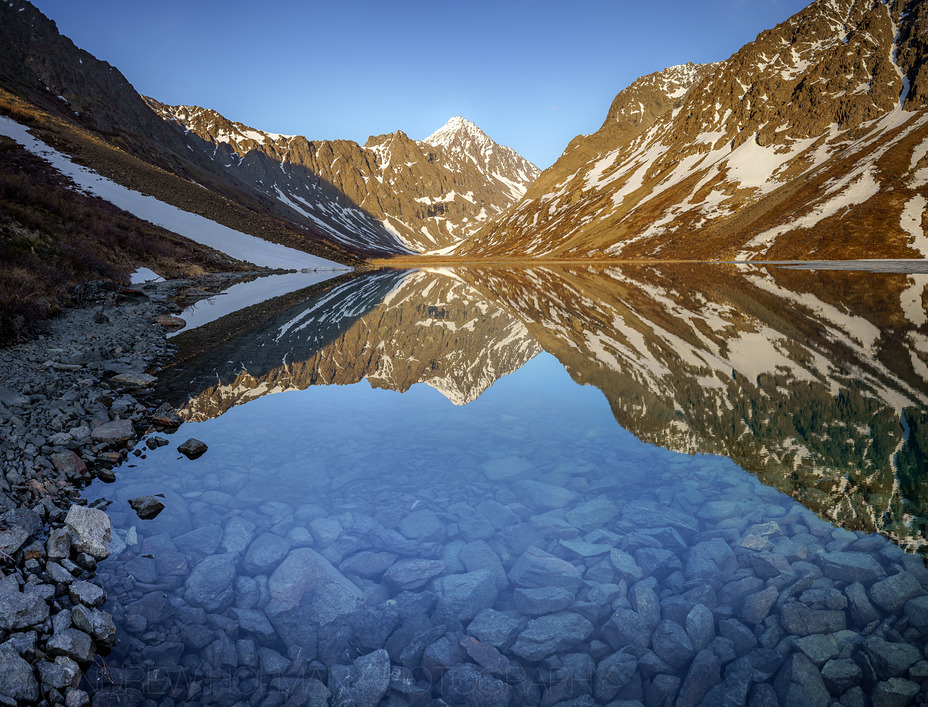
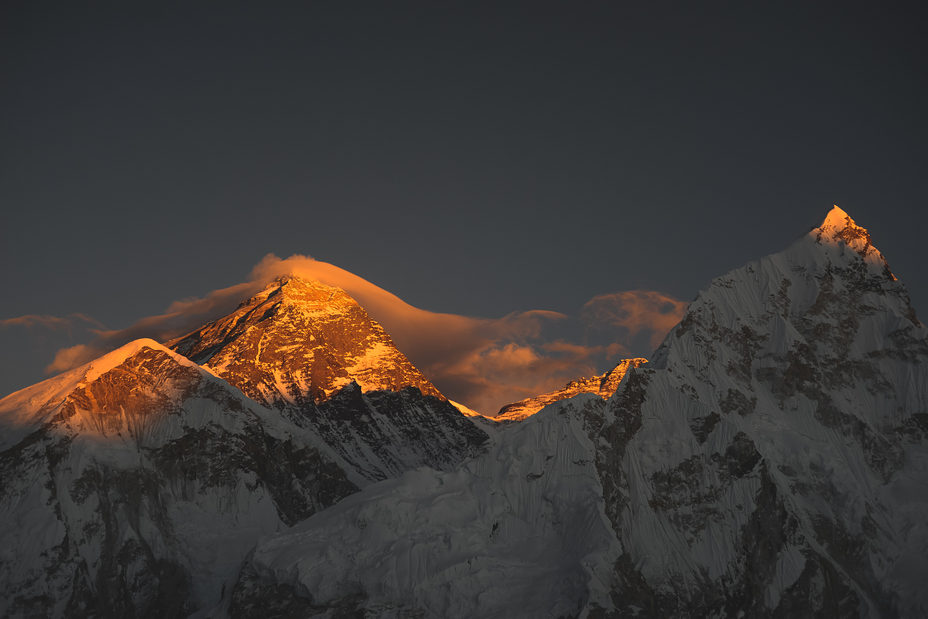
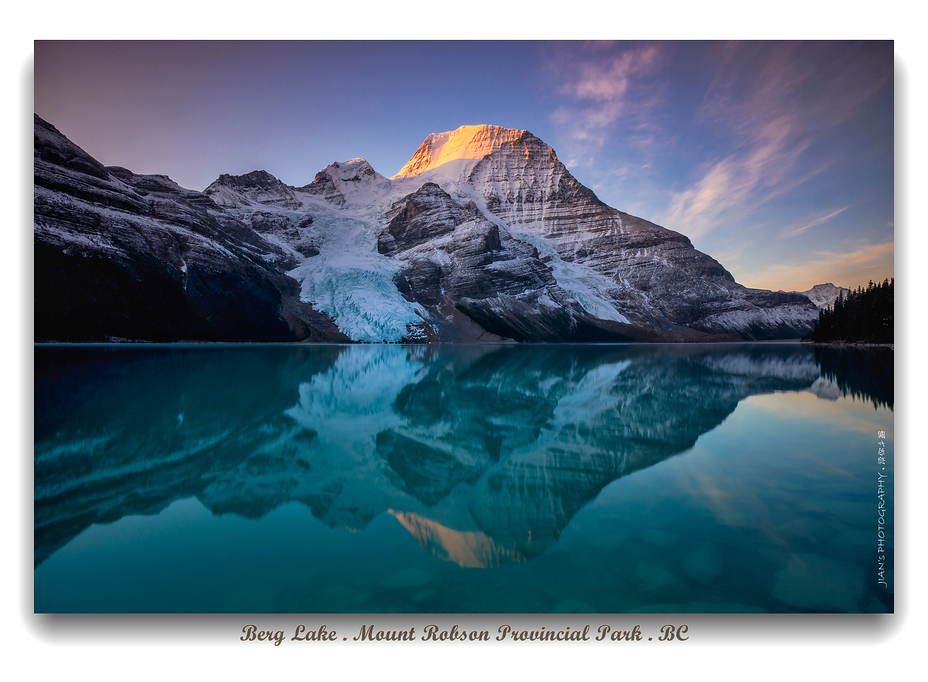
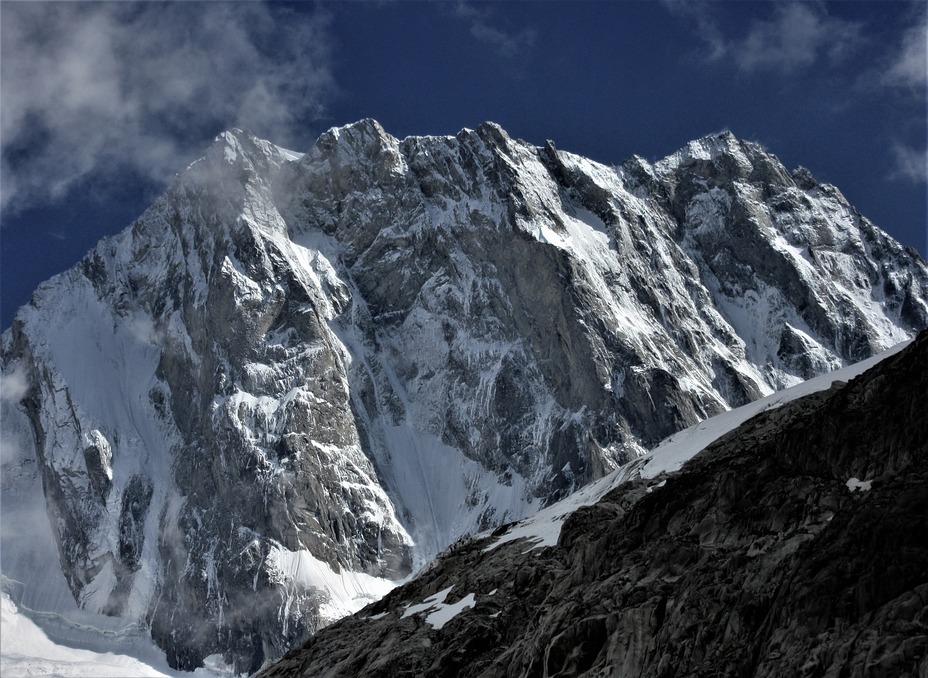
Captured by our global community. Share your best shots here.
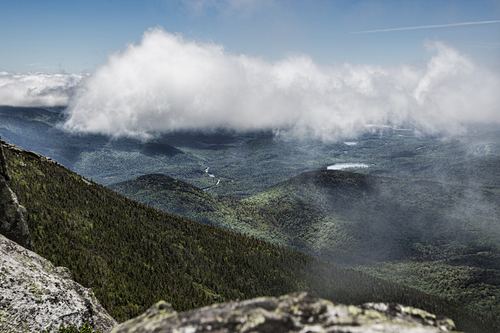
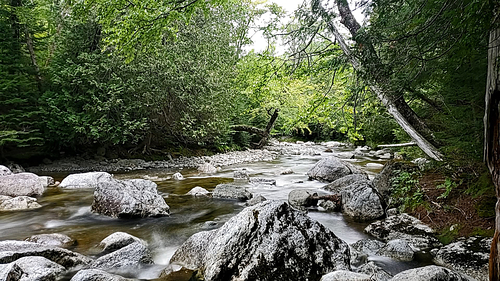
View from Castle Valley

Sunrise over The Dome from The Pinnacle

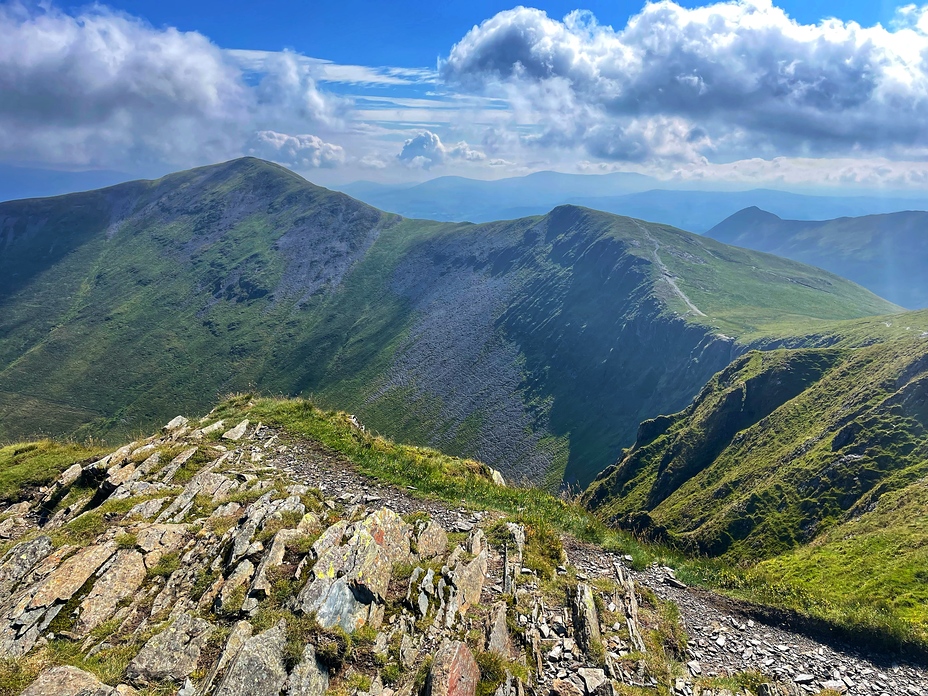
Grisedale Pike

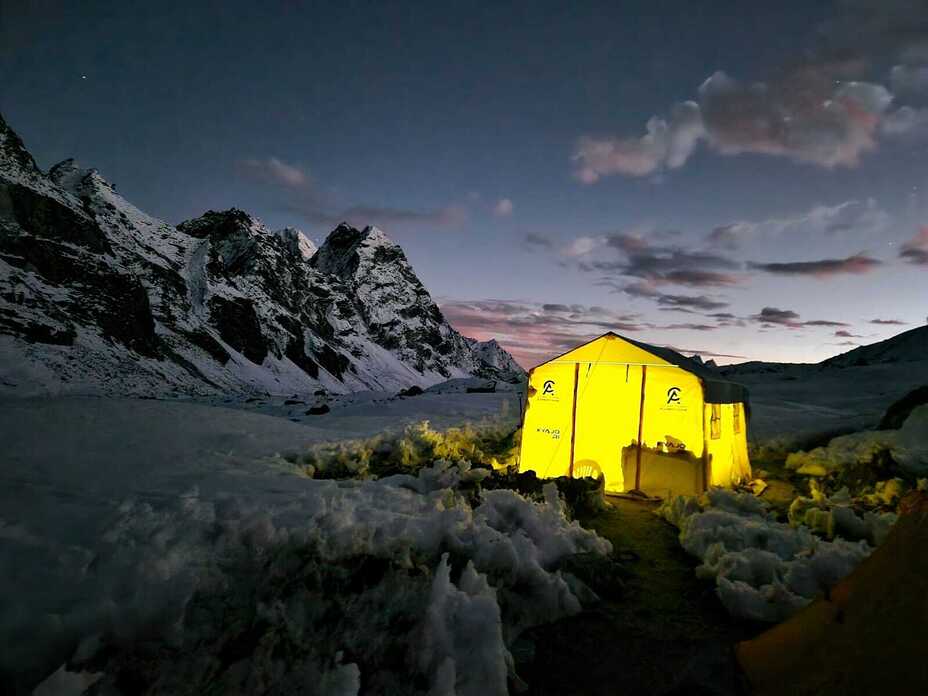
Cholatse Base camp
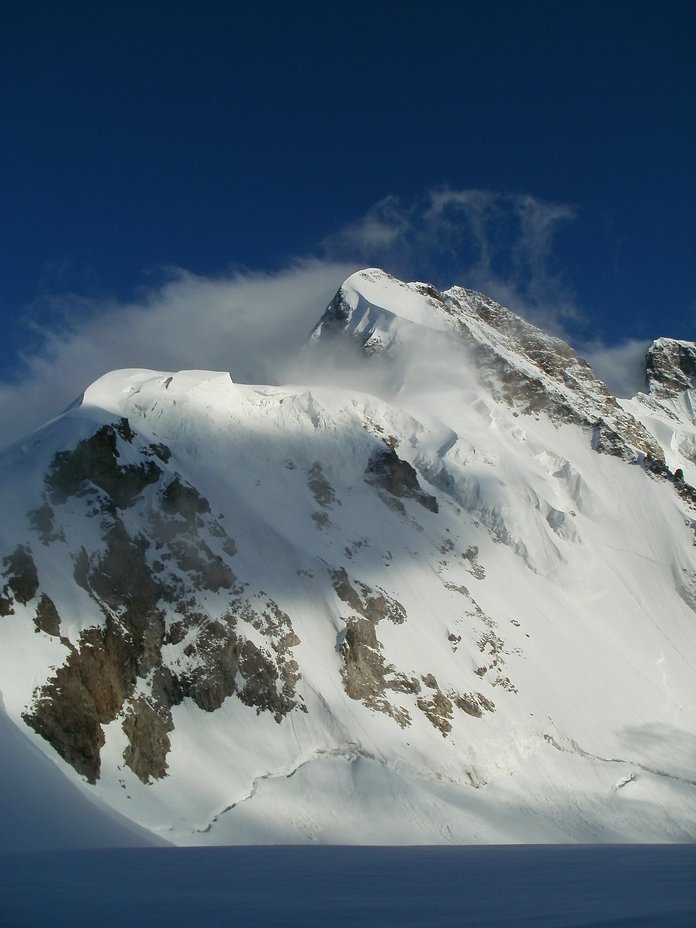
Grandes Jorasses

The Gables

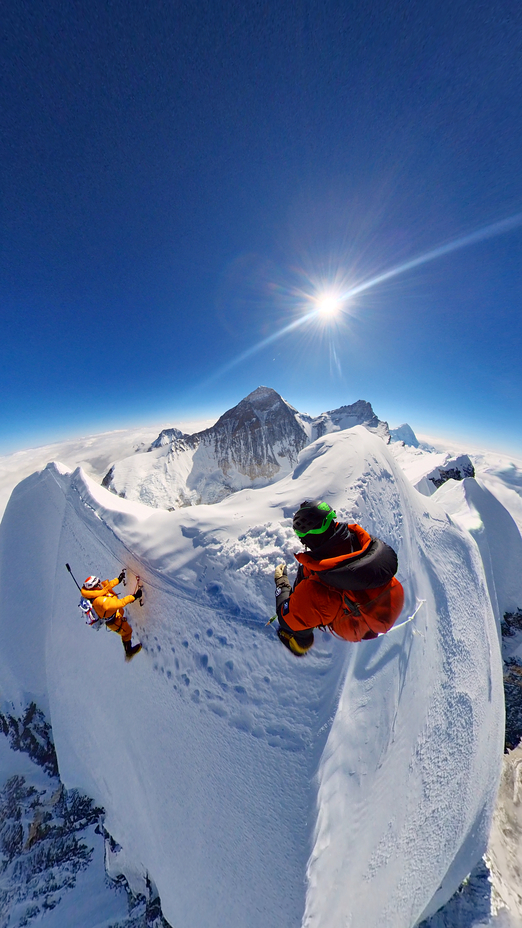
Denali

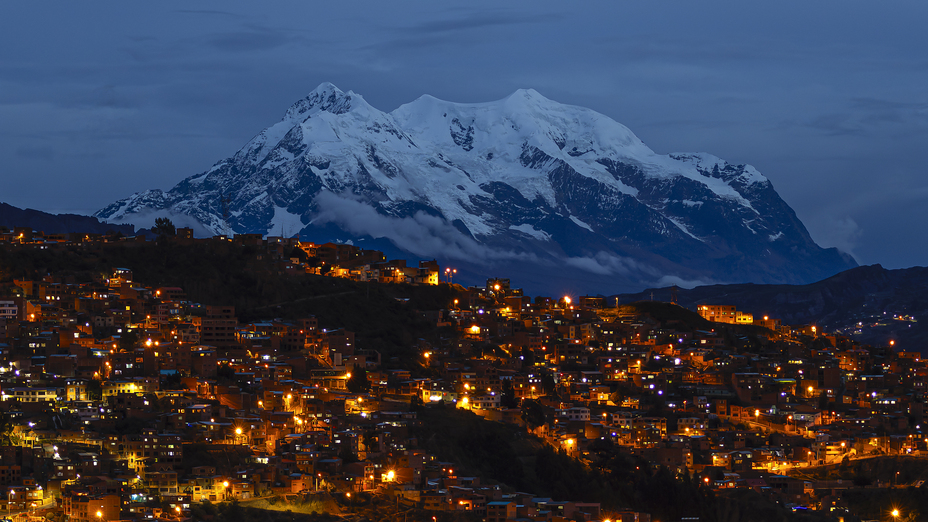
Illimani desde la ciudad de La Paz en la noche

Liberty Bell sunrise

Exciting morning view of Stellisee lake with Matterhorn peak on background

Dedicated mountain weather forecasts for more than 17800 major summits for climbers and mountaineers, provided for up to eight different elevations.
For each mountain, we track nearby weather stations reporting live observations multiple times per day, giving you real-time conditions alongside our forecasts. Gather all available information before heading out for climbing, mountaineering, or any mountain pursuit.
Our proven weather technology also powers Snow-Forecast.com and Surf-Forecast.com, trusted by millions worldwide. While our forecasts are thoroughly tested and reliable, we recommend cross-referencing multiple sources when planning your ascent—as you would with any mountain weather service.
With thousands of peaks in our database, we welcome your feedback on location details (coordinates, elevations, etc.) to keep improving accuracy for the global climbing community. Send your feedback.